
Care as a Community Practice
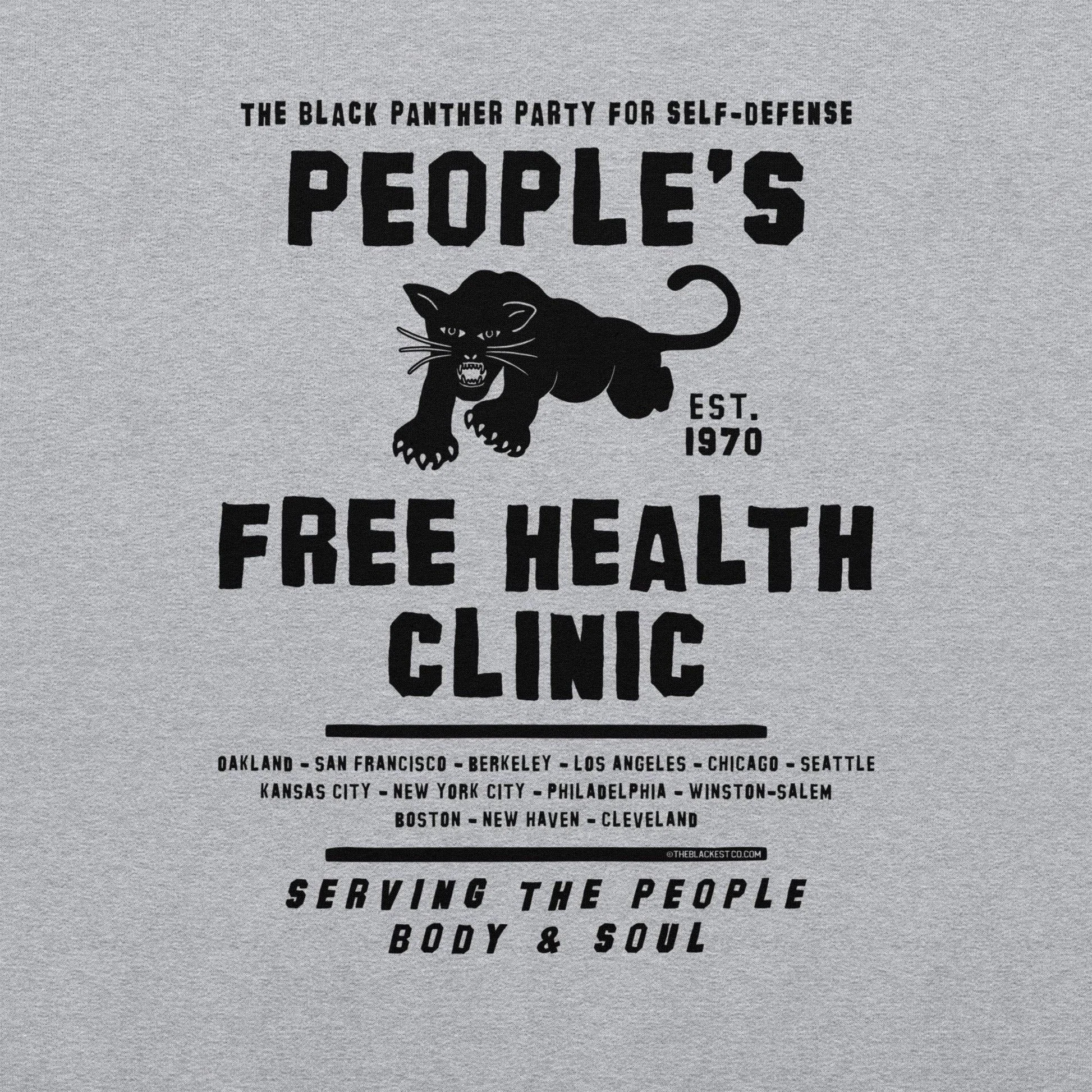
This was medicine practiced in the open.
Not behind a desk.
Not behind a fee.
But across a table, in a line, in a shared room where care moved from hand to hand.
They treated nourishment as a form of prevention.
Access as a form of dignity.
Education as a form of healing.
Much of what now feels standard (school meals, community clinics, neighborhood health outreach) once lived as a radical idea: that health should be close, local, and human.
The Knowledge That Became the System
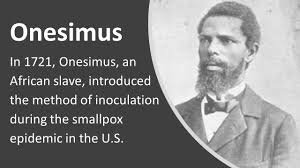
Black healers, medics, and innovators didn’t just contribute to medicine.
They shaped its foundations.
They organized blood banks when hospitals could not.
They trained caregivers when institutions would not.
They built systems of response in communities that were never meant to survive on their own.
Much of this knowledge was later formalized, renamed, and folded into professional structures … often without carrying forward the names of those who first lived it into being.
But the lineage remains.
Root, Remedy, and the Right to Care
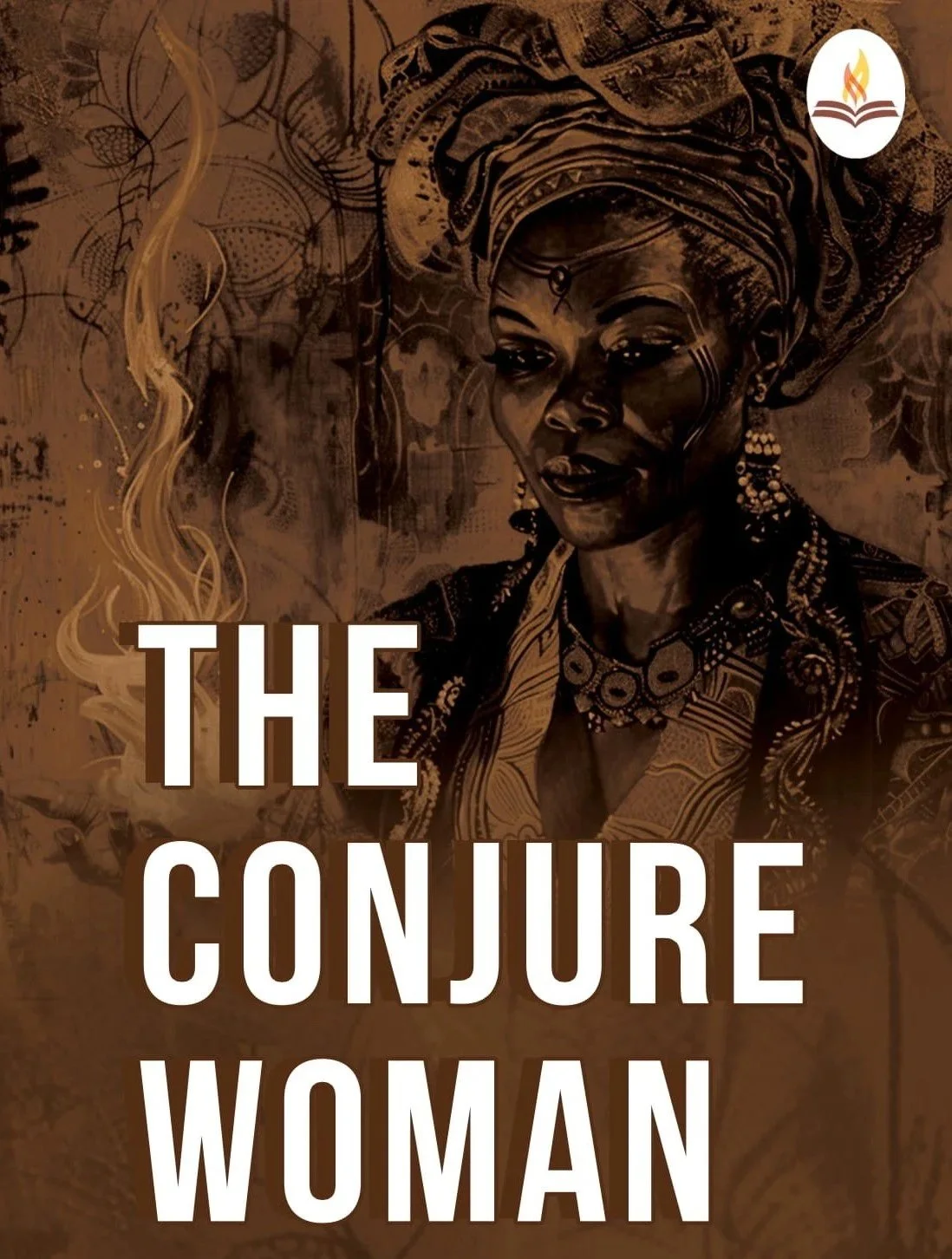
At a time when much of Western medicine still relied on bloodletting and leeches (treatments people often feared or refused) these women were foraging, listening, and healing through relationship with the natural world and the spirit that guided it.